
Getting Started with Lightweight Camping in the UK:
A Beginner’s Gear Checklist
You do not need to spend a fortune on specialist ultralight equipment to start lightweight camping. In the UK, good lightweight camping is simply about choosing reliable, compact, weatherproof gear that keeps you warm and dry without weighing you down.
Whether you are planning your first solo backpacking trip, a weekend of cycle camping, or a train-and-tent escape, this guide and packing checklist cover everything you need to get started.
The "Big Four": Where Weight Matters Most
Your shelter, sleep system, bag, and stove make up the bulk of your pack weight. Getting these right makes the biggest difference to your comfort.
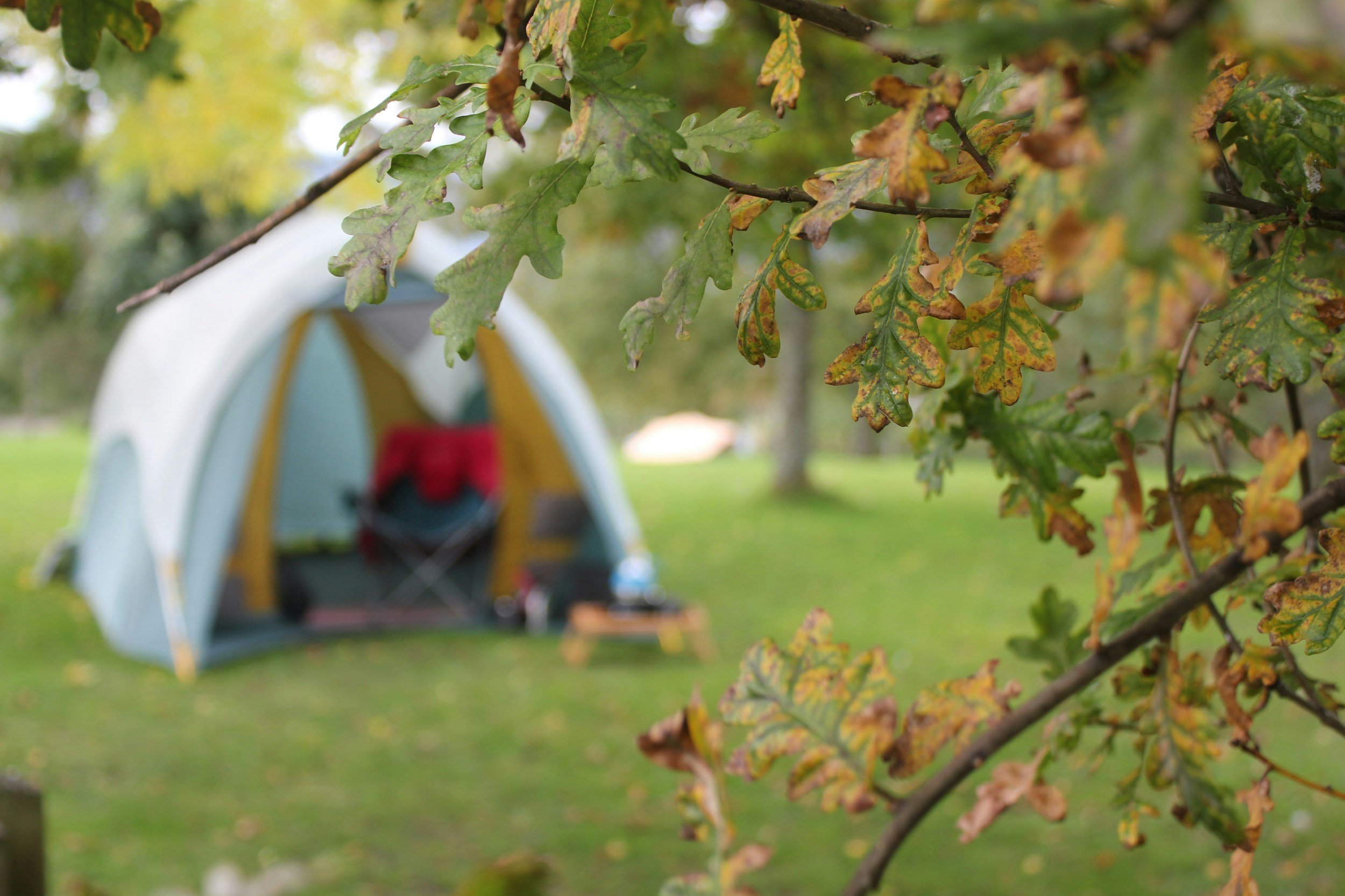
A Weatherproof Lightweight Tent: Look for a 3-season or 4-season tent. Unless you plan on camping high up on exposed mountains or in harsh winter conditions, a good 3-season tent is normally quite sufficient when you are starting out. British weather also rewards tents that pitch outer-first or all-in-one (so the inner bedroom stays dry when pitching in the rain) with a porch for wet boots and cooking.
Sizing tip: Even if you are camping solo, a 2-person tent is often more practical than a cramped 1-person model, as the extra space gives you room to keep your equipment dry inside. Equally, if you are camping as a pair, watch out for internal dimensions—many "2-person" lightweight tents are not actually big enough for two adults and their kit!
Sleeping Bag (or Quilt): A 3-season sleeping bag (rated to a comfort temperature of around 0°C to 5°C) is fine for most spring-to-autumn UK camping. However, if you are thinking of camping in winter, you will definitely need a 4-season sleeping bag. Down packs smaller and lighter, while synthetic insulation is more affordable and handles dampness well. Always pack your sleeping bag inside a waterproof stuff sack.
Insulated Sleeping Mat: The ground draws heat away quickly in the UK, even in summer. Choose a compact inflatable or self-inflating mat with an R-value of 3 or higher for reliable three-season warmth.
Rucksack or Panniers: For backpacking, a 45 to 60-litre rucksack is usually plenty for a lightweight setup. If you are cycle camping, a pair of waterproof rear panniers (or bikepacking bags) will carry the same kit comfortably.
Cooking & Food Essentials
You do not need a full camp kitchen—simple one-pot meals save weight, fuel, and washing up.
Compact Stove & Fuel: Either a small screw-on gas stove (light and quick to boil) or a classic spirit stove like a Trangia (quiet, reliable, and unfazed by British wind).
Simple Cookware: One medium aluminium or titanium pot with a lid, a collapsible bowl and cup, and a long spoon, knife, or spork.
Water: Carry a reusable water bottle and/or a collapsible water bladder (such as a Platypus). If you start at formal UK campsites, you will have drinking water taps on site—you only need a water filter if you later move on to remote wild camping.
Clothing & Safety Essentials
Layering is the key to staying comfortable in changeable UK conditions.
Waterproofs: A breathable, packable waterproof jacket and lightweight overtrousers.
Warmth for Camp: A packable down or insulated jacket (stored in a waterproof bag), a warm hat, and a dedicated set of dry base layers and socks kept strictly for sleeping in.
Lighting: A reliable head torch is essential—always pack it at the very top of your bag so you can grab it immediately if you arrive at dusk. A small tent light is also handy for reading or organising kit inside.
Navigation & First Aid: A paper map and compass (or offline OS Maps on your phone), a compact first aid kit with blister plasters and a tick remover, and a midge head net if you are heading to Scotland or northern England in summer.
Quick-Reference Lightweight Camping Checklist
Use this practical checklist when packing for your trip:
Shelter & Sleeping
Tent (3-season for most trips; 4-season for mountains or winter)
Sleeping mat
Sleeping bag and inflatable pillow (packed inside a waterproof stuff sack)
Clothing
Down or insulated jacket (packed in a waterproof bag)
Waterproof jacket and overtrousers
Warm hat and dedicated dry layers/socks for sleeping
Food & Cooking
Cooking set and fuel
Matches, lighter, or fire stick
Collapsible bowl and collapsible cup
Long spoon, knife, or spork
Water bottle and/or collapsible water bladder (such as a Platypus)
Simple camp food ideas: Oatcakes, energy bars, dehydrated meals, muesli with milk powder, packet soup, and coffee
Health & Hygiene
Personal medication and glasses/contact lenses
First aid kit and tick remover
Toothbrush, toothpaste, and biodegradable soap/shampoo
Lightweight towel and flannel
Small mirror
Pocket tissues, toilet paper, and wet wipes (remember to bag and pack out used wet wipes)
Tech & Gadgets
Head torch (pack at the TOP of your bag!)
Small tent light
Power bank, USB cables, and wall plug
Essentials & Utility
Wallet and emergency cash (invaluable for rural campsites and honesty boxes)
Plastic carrier bag (for rubbish or wet gear)
Recommended Lightweight Gear Brands Available in the UK
There are plenty of dependable brands readily available across the UK:
Great Value for Beginners: Vango (a Scottish brand famous for affordable, wind-tested starter tents), Alpkit (a UK company offering excellent-value tents, sleeping bags, mats, and stoves), OEX (widely available in the UK for budget-friendly starter kit), and Decathlon / Forclaz (reliable entry-level rucksacks and clothing).
Mid-Range & Built for UK Weather: Wild Country and Terra Nova (designed specifically for British wind and rain), Rab (a UK staple for sleeping bags and waterproofs), Trangia (stormproof spirit stoves), MSR (durable stoves and tents), and Therm-a-Rest, Sea to Summit, or Exped (comfortable insulated sleeping mats).
Money-saving tip: You do not need to buy everything brand new. Borrowing kit for your first weekend, shopping second-hand, or coming along to a club meet to see what other campers actually use can save you from expensive mistakes.
Three Quick Tips for Your First Trip
Pitch your tent at home first: Put it up in the garden or a local park in daylight so you know how everything fits before you arrive at a campsite in the rain.
Start at a quiet campsite: Formal UK campsites give you running water, toilets, and a safety net while you learn what works for you.
Do not obsess over grams at first: Comfort and dryness matter far more than chasing an "ultralight" target weight. You can always refine your kit gradually as you gain experience.
Frequently Asked Questions
What lightweight camping gear do I need to start backpacking in the UK? Start with a weatherproof 3-season tent (a 2-person tent is often the most practical choice even for a solo camper, giving room for your gear), a 3-season sleeping bag (or 4-season for winter), an insulated sleeping mat (R-value 3+), a 45–60L rucksack, a compact gas or spirit stove, waterproof clothing, a head torch, and dry bags to protect your kit from rain.
Do I need a 4-season tent for UK camping? Unless you are camping high up on exposed mountains or heading out in severe winter conditions, a sturdy 3-season tent is normally quite sufficient for UK camping from spring through autumn.
Do I need expensive ultralight gear to join a lightweight camping club? Not at all. Members of the Association of Lightweight Campers (ALC) use everything from budget starter tents and vintage stoves to modern ultralight setups. All you need is a small tent and an enthusiasm for simple, low-impact camping.
See Lightweight Gear in Action
The best way to learn about lightweight camping is to chat with people who do it year-round. Come along to one of our friendly UK meets to see different tents, stoves, and setups in person. [Explore Upcoming Meets] | [Join the Association of Lightweight Campers]

Not a member? Join the club today...
Join The Camping and Caravanning Club today to benefit from over 100 years of expertise as well as specially selected discounts tailored to our members. As soon as you are a member you will be assigned to a District Association (DA). This will be the closest DA to where you live and shown on your membership card. You are then free to go camping with any of the 93 DA's over 13 Regions in the UK.
We hope to see you in a field soon...