
Why Does the Environment
Love Lightweight Campers?
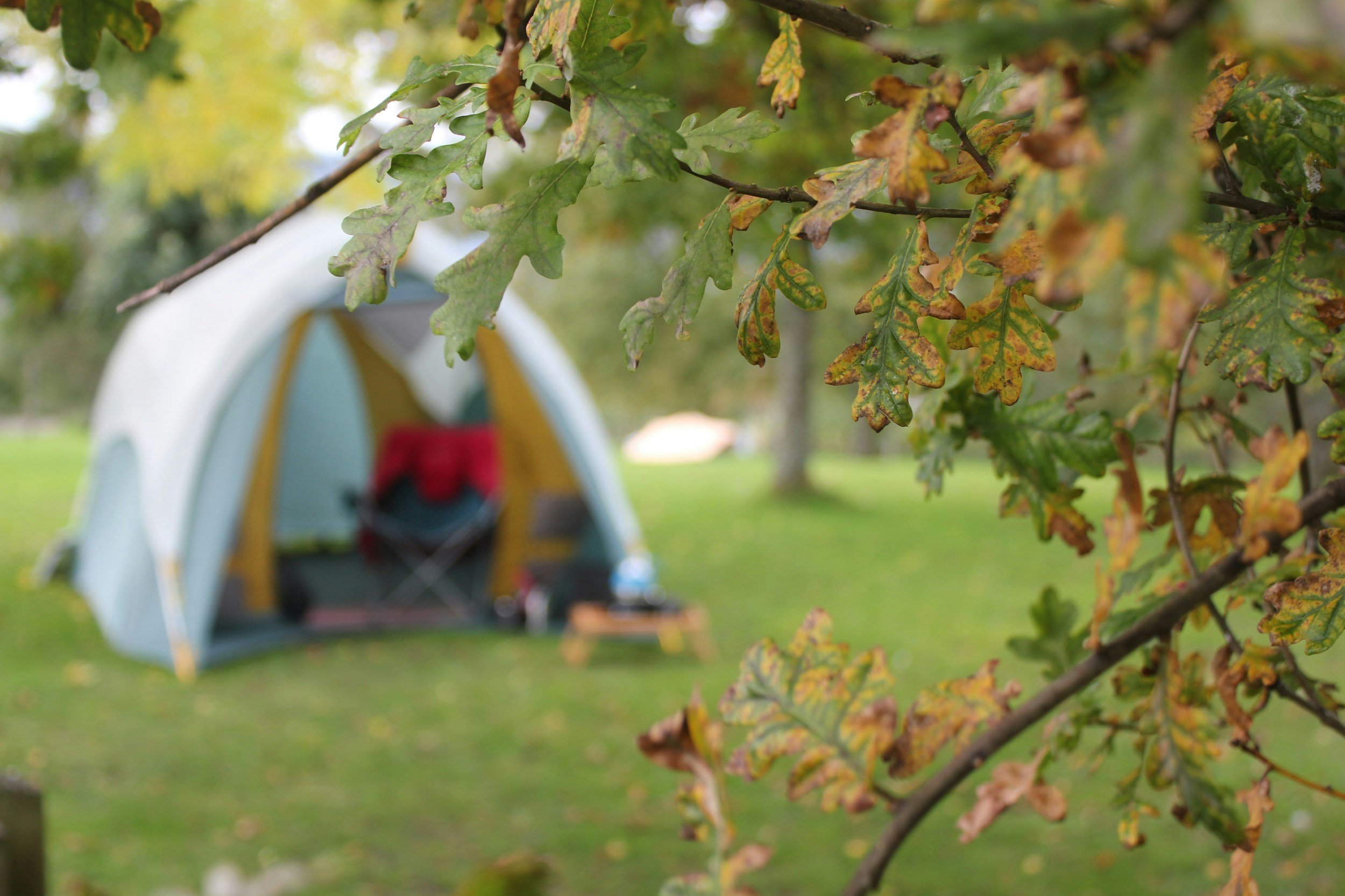
If you want to experience the British countryside while leaving the smallest possible mark on it, it is hard to beat lightweight camping. At the Association of Lightweight Campers (ALC), minimising our impact on the natural world has always been at the heart of how we travel and pitch.
When you carry everything you need in a rucksack, panniers, or a modest boot, you naturally tread more lightly on the planet.
Lightweight Tents vs. Caravans, Motorhomes, and Campervans
Compared with touring in a caravan, motorhome, or campervan, small-tent lightweight camping is one of the most environmentally friendly ways to holiday:
Dramatically lower travel emissions: Many lightweight campers travel by bicycle, on foot, or by train and bus. Even when driving to a meet, carrying a compact tent avoids the heavy fuel consumption of towing a caravan or driving a large, heavy motorhome.
No need for concrete or hook-ups: Heavy leisure vehicles often require gravel or tarmac hardstandings, electric hook-ups, and wide access roads. A lightweight tent needs nothing more than a small patch of grass—and once you pack up in the morning, the ground springs right back.
Lower water, energy, and chemical use: Lightweight campers use a fraction of the water and energy of vehicle-based camping, with no need for onboard generators, mains power, or harsh chemical toilet fluids.
Less gear, longer life: Choosing simple, well-made equipment reduces manufacturing waste. A good lightweight tent and spirit or gas stove can easily last for decades, especially when repaired and looked after rather than replaced.
Best Practices for Environmentally Friendly Camping in the UK
Whether you are pitching at a quiet rural campsite, touring by bike, or heading into the hills, following low-impact habits keeps the countryside thriving for everyone. Here is our practical checklist for environmentally friendly camping in the UK:
Plan ahead and know the local access rules: Camping permissions vary across the UK. Scotland’s Outdoor Access Code allows responsible wild camping in most areas, whereas England and Wales have stricter rules with specific local exceptions (such as parts of Dartmoor or agreed high-level pitching guidance in the Lake District). Always check local rules before you travel.
Follow Leave No Trace principles: Pitch on durable ground, camp at least 30 metres away from streams, rivers, and lakes, and avoid damaging plants or flattening undergrowth. Take away every scrap of litter—including food waste, orange peel, and tea bags—and take it home with you.
Use formal campsites whenever possible: Small, friendly campsites provide proper toilets, drinking water, and waste disposal, which protects fragile habitats while supporting rural UK economies. When wild camping where permitted, keep groups small, arrive late, leave early, and move on so the land can recover.
Cook on a lightweight stove instead of lighting open fires: Open ground fires scar the earth, damage wildlife habitats, and create a serious wildfire risk across moorland and woodland. A compact camping stove is cleaner, faster, and leaves no trace. Avoid open fires wherever prohibited, and if using a campsite’s designated fire pit, keep fires small and extinguish them completely.
Dispose of human waste responsibly: Always use campsite or public toilets where available. If you are out in the wilds, follow local guidance—either use a carry-out waste bag where required, or bury solid waste in a small cathole well away from footpaths and at least 30 metres from any water source.
Respect wildlife, livestock, and local communities: Keep noise to a minimum, keep dogs under close control around farm animals and ground-nesting birds, and never feed wildlife. Avoid pitching close to houses, farm gates, or busy trails.
Reduce your kit footprint: Pack reusable water bottles, mugs, and utensils rather than single-use plastics. Look for durable, repairable, or second-hand camping kit, use a small solar panel or power bank if you need to charge a phone, and leave nature exactly as you found it.
Frequently Asked Questions
Is lightweight camping more environmentally friendly than using a campervan or caravan? Yes. Lightweight camping produces far fewer transport emissions—especially when combined with cycling, walking, or public transport—and puts much less physical strain on campsites, rural lanes, and natural landscapes because it requires no hardstanding pitches, electric hook-ups, or chemical waste disposal.
What are the most important rules for eco-friendly camping in the UK? The key practices are to check local access rules, use formal campsites where possible, cook on a stove rather than lighting ground fires, camp at least 30 metres from water, carry out all litter and food scraps, dispose of human waste responsibly, and respect local wildlife and communities.
Are there UK camping clubs dedicated to low-impact, lightweight camping? Yes. The Association of Lightweight Campers (ALC) welcomes backpackers, cycle campers, solo campers, and small-tent enthusiasts from across the UK who share a love of simple, low-impact outdoor travel.
Camp Lightly With Us
If you enjoy travelling light and caring for the countryside, we would love to welcome you at one of our meets. [Explore Upcoming Meets] | [Join the Association of Lightweight Campers]

Not a member? Join the club today...
Join The Camping and Caravanning Club today to benefit from over 100 years of expertise as well as specially selected discounts tailored to our members. As soon as you are a member you will be assigned to a District Association (DA). This will be the closest DA to where you live and shown on your membership card. You are then free to go camping with any of the 93 DA's over 13 Regions in the UK.
We hope to see you in a field soon...