
Members of the Association of Lightweight Campers regularly share the road as cyclists and/or drivers. Keeping everyone safe requires a mix of updated road knowledge, mutual respect, and increasingly, smart use of technology.
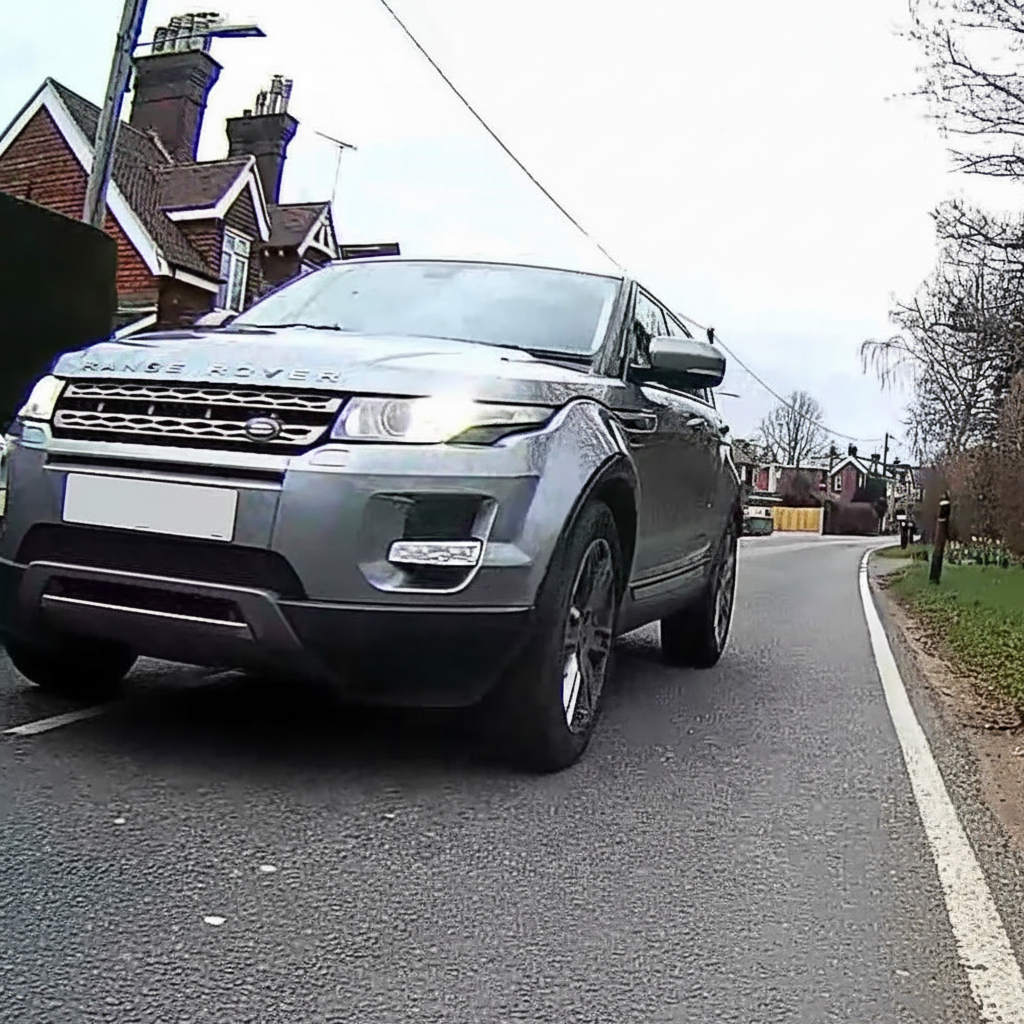
Since I started long distance cycle touring, about five years ago, I’ve experienced some close passes, fortunately I haven’t been hit! Last year I bought a ChilliTech rear view camera to record such instances and this resulted in the successful prosecution of a Range Rover driver who nearly knocked me off. However, the camera wasn’t reliable so I’ve upgraded to a GoPro Hero 9, which is an old series of GoPro but more than adequate for the job and much cheaper than the latest ones!
Spot It to Stop It: The Rear-Facing Camera Setup
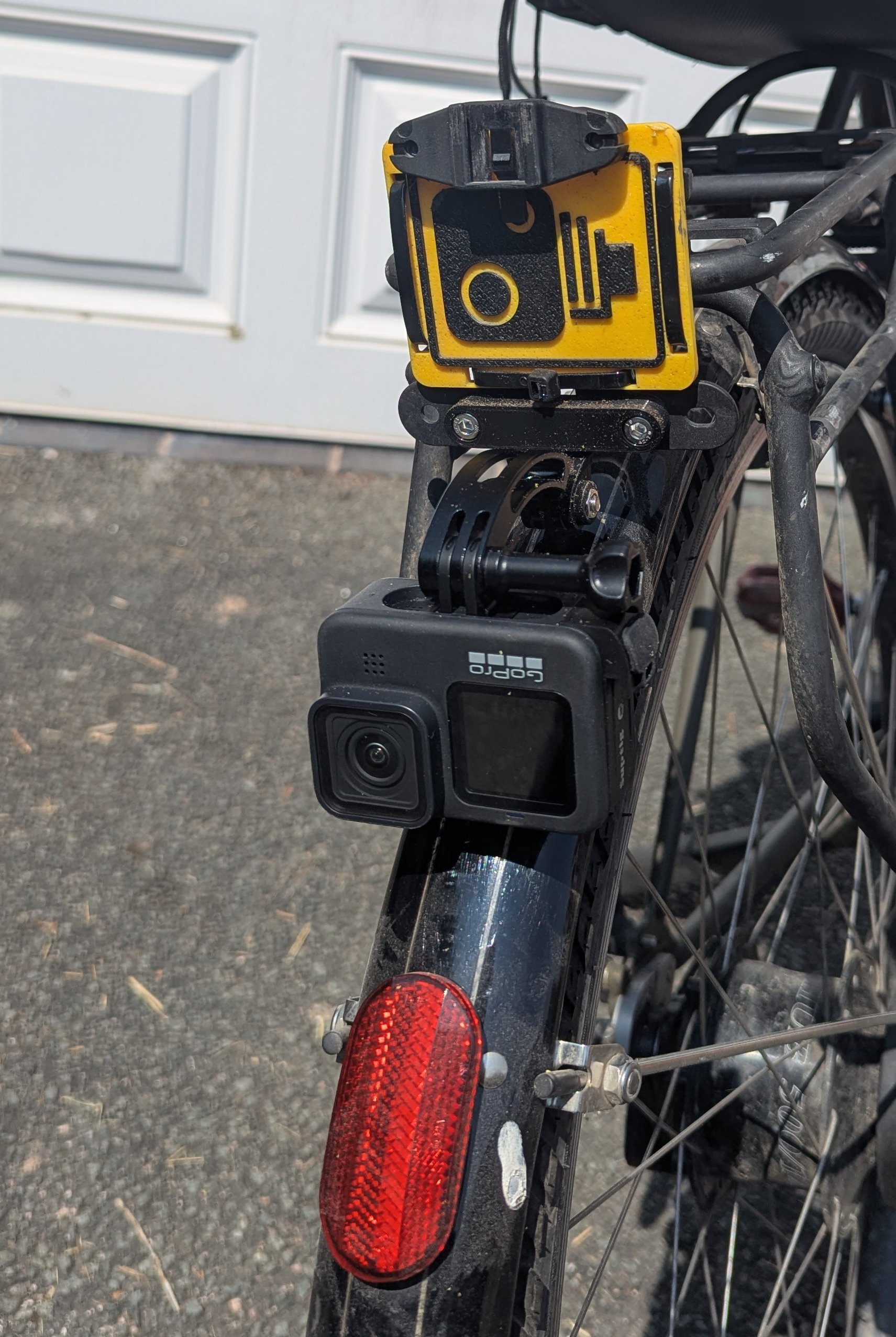
I’ve used a GoPro but there are many alternatives and they serve two critical purposes:
Incident Recording: The camera captures high-definition video of any "close pass" incidents, including the number plate. This footage can be directly uploaded to official police reporting portals (such as the National Dash Cam Safety Portal or local force websites) to hold dangerous drivers accountable.
Proactive Deterrence: Mounted just above the camera is a highly visible yellow and black warning sign featuring a camera icon. This clear visual cue explicitly alerts overtaking motorists that they are being filmed, which drastically reduces aggressive driving and encourages wider berths. The sign is not required but the main point is to deter dangerous driving, not to catch the drivers on video while they close pass you!
I’ve managed to attach a bracket onto the top of the warning sign where my CatEye light fits. I have another light on my saddle bag and also on the back of my helmet! You can’t have too many lights on busy, high-speed roads!
What the Highway Code (rule 163) Says About Overtaking
For members behind the wheel of a car or towing a trailer, it is vital to stay up to date with the current Highway Code rules regarding vulnerable road users.
When overtaking a cyclist, drivers must:
Leave at least 1.5 metres of space when overtaking at speeds of up to 30 mph. For reference this distance is only slightly less than the width of a small family car.
Give even more space than 1.5 metres when overtaking at speeds higher than 30 mph.
Wait behind the cyclist if the road is too narrow or oncoming traffic prevents leaving this minimum safe distance.
The code also notes that cyclists are entirely permitted to ride in the center of the lane on narrow sections of road, quiet streets, or approaching junctions to ensure they are visible.
My main priority is to make drivers notice me and give me a wide berth when I’m out cycling!